
Pav Bhaji is more than just a dish; it’s an experience, a symphony of flavors that instantly transports you to the bustling streets of Mumbai. This vibrant, vegetable-laden delight, served with soft, buttery buns (pav), has captured the hearts and taste buds of millions for a reason. It’s the ultimate comfort food, a perfect balance of spicy, tangy, and savory notes that create an explosion of deliciousness in every bite. What makes Pav Bhaji so incredibly special? It’s the artful blending of mashed vegetables, simmered in a fragrant, secret spice mix, all brought together to create a rich and satisfying curry. The soft, slightly sweet pav, toasted to perfection with butter and a hint of spice, acts as the perfect vehicle to scoop up every last drop of this incredible bhaji. Whether you’re a seasoned fan or trying it for the first time, this Pav Bhaji recipe promises an authentic and unforgettable culinary adventure.
Why You’ll Love This Recipe
Get ready to recreate the magic of street-style Pav Bhaji right in your own kitchen!

Ingredients:
- 7 cloves Garlic (Big (around 30 grams)), minced
- 2 tbsp Red kashmiri chili powder (Use ONLY kashmiri chili powder for its vibrant color and mild heat)
- 2 cups around 250 grams Potatoes, peeled and cut into approximately 1-inch cubes
- 1 cup around 120 grams Cauliflower florets, cut into bite-sized pieces
- 2 cups Finely chopped Tomatoes
- 1 cup Finely chopped Onion
- 1 cup Finely chopped capsicum / bell pepper (any color will work, but green is traditional)
- 1/4 cup dried green peas (or 1/2 cup fresh or frozen green peas)
- Salt to taste
- 1/2 tsp Turmeric powder
- 1 tbsp + 1/2 tsp Pav bhaji masala (This is the key spice blend!)
- 1/4 cup finely chopped cilantro, for garnish and flavor
- 2 tbsp Butter (salted butter is fine, adjust salt if needed)
- 1 tbsp Oil (vegetable or any neutral oil)
- 1 tsp Kasuri Methi (dried fenugreek leaves), crushed
Preparing the Vegetables
Boiling the Base Vegetables
The foundation of a delicious Pav Bhaji lies in perfectly cooked, mashed vegetables. To start, take a large pot or a pressure cooker and add your cubed potatoes, cauliflower florets, and dried green peas. If you’re using fresh or frozen green peas, add them in the last 10 minutes of boiling to prevent them from becoming too mushy. Fill the pot with enough water to generously cover the vegetables, ensuring they are submerged by at least an inch. Add a generous pinch of salt to the water at this stage; this seasons the vegetables from the inside out.
Now, it’s time to cook them until they are fork-tender. If using a regular pot, bring the water to a rolling boil, then reduce the heat to medium-low, cover, and let it simmer for about 15-20 minutes, or until the vegetables yield easily to a fork. For a quicker method, use a pressure cooker. Add about 1 cup of water, cover, and cook for 2-3 whistles on medium heat. Once cooked, carefully drain all the excess water. It’s crucial to drain well, as too much water can make the bhaji watery. Set the boiled vegetables aside.
Making the Bhaji (The Spicy Vegetable Mash)
Tempering and Sautéing the Aromatics
In a large, heavy-bottomed pan or a kadai, heat the 1 tbsp of oil and 1 tbsp of butter over medium heat. Once the butter has melted and the oil is shimmering, add the minced garlic. Sauté the garlic for about 30 seconds until it becomes fragrant, being careful not to burn it, as burnt garlic can impart a bitter taste. Next, add the finely chopped onions. Stir and sauté the onions until they turn translucent and start to soften, which usually takes about 5-7 minutes. This slow sautéing builds a rich flavor base.
Now, introduce the finely chopped capsicum (bell pepper) to the pan. Cook the capsicum with the onions and garlic for another 4-5 minutes until it softens slightly. Don’t overcook it at this stage; we want it to retain a little bit of its texture. Following that, add the finely chopped tomatoes. Stir well and cook the tomatoes until they soften and start to break down, releasing their juices. This process typically takes about 8-10 minutes. You’ll notice the mixture becoming more saucy.
Adding the Spices and Cooking the Masala
To this aromatic base, it’s time to add the dry spices. Sprinkle in the turmeric powder, red Kashmiri chili powder, and the crucial pav bhaji masala. Stir all the spices into the onion-tomato mixture and cook for about 2 minutes, stirring continuously. This allows the spices to bloom and release their full flavors and aroma. Be mindful of the heat at this point; the spices can burn if cooked too long without moisture.
Now, add the cooked and drained vegetables that you set aside earlier. Mash these vegetables directly in the pan using a potato masher or the back of a sturdy spoon. Mash them coarsely; we don’t want a completely smooth puree, but rather a rustic, chunky texture that is characteristic of good Pav Bhaji. Add salt to taste, remembering that we salted the boiling water. Stir everything together thoroughly, ensuring the vegetables are well coated with the spice mixture.
Simmering and Finishing the Bhaji
Pour in about 1/2 cup of hot water into the pan. This will help the vegetables cook down further and achieve the desired consistency. Bring the mixture to a gentle simmer. Cover the pan and let the bhaji cook on low heat for at least 15-20 minutes. This slow simmering is essential for the flavors to meld beautifully. Stir the bhaji every 5-7 minutes to prevent it from sticking to the bottom of the pan. If it becomes too thick, you can add a little more hot water, a tablespoon at a time, until you reach your preferred consistency.
In the last 5 minutes of cooking, add the remaining 1 tbsp of butter and the crushed Kasuri Methi. The Kasuri Methi adds a wonderful, authentic aroma and a slightly bitter note that balances the richness. Stir it in well. Taste and adjust the salt and spice levels if necessary. Finally, stir in half of the finely chopped cilantro. This fresh cilantro adds a burst of freshness and vibrant color to the finished bhaji.
Serving the Pav Bhaji
Preparing the Pav (Bread Rolls)
While the bhaji is simmering, you can prepare your pav (bread rolls). Cut the pav in half horizontally. Heat a tawa (griddle) or a non-stick frying pan over medium heat. Add the remaining 1 tbsp of butter and let it melt. Place the cut sides of the pav onto the buttered tawa and toast them until they are golden brown and slightly crisp. You can also brush a little more butter on the top sides of the pav as they toast.
Assembling and Enjoying
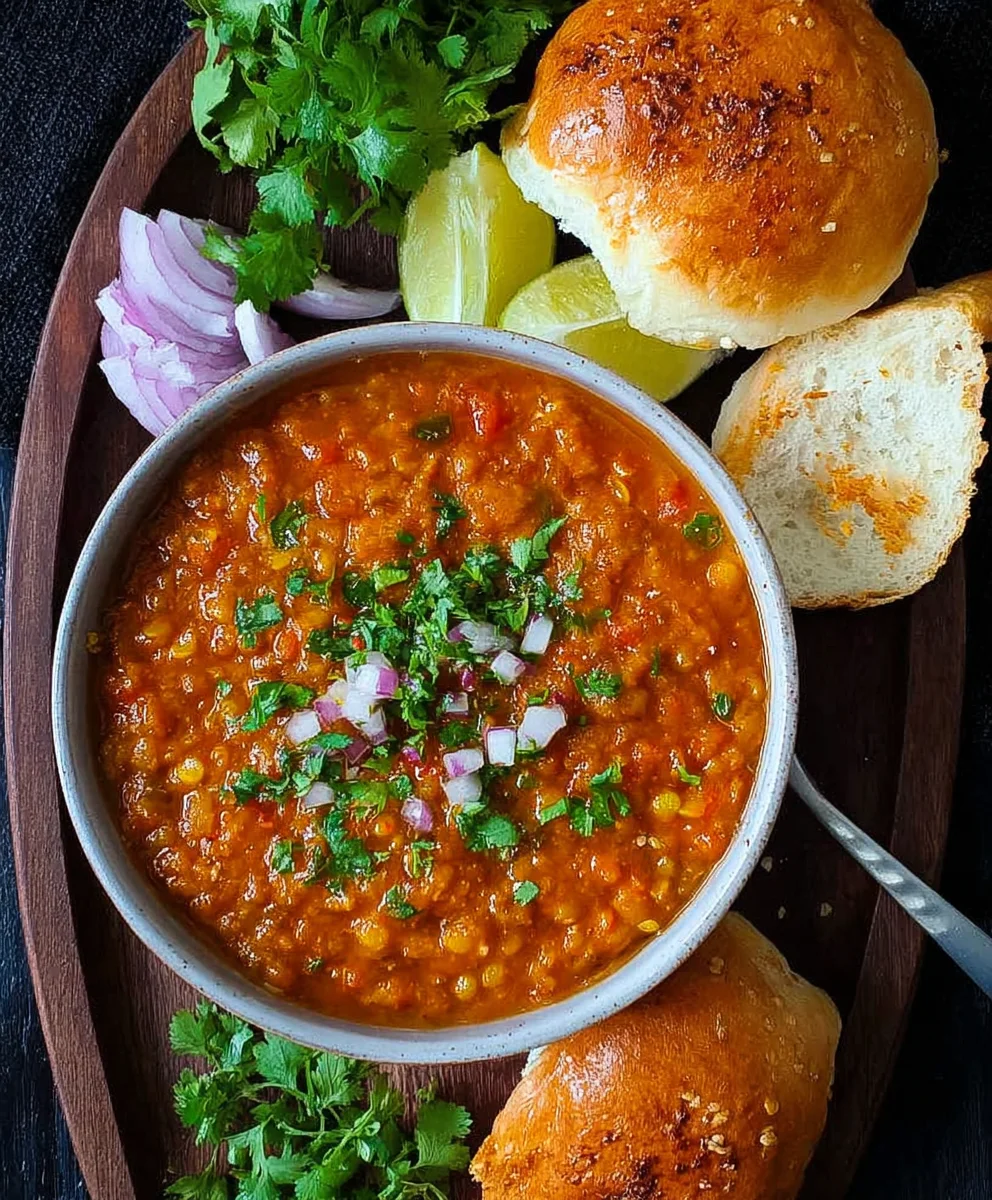
Once the bhaji is cooked to perfection and the pav are toasted, it’s time to serve. Ladle a generous portion of the hot bhaji into a serving bowl. Garnish the bhaji with the remaining finely chopped cilantro and a small dollop of extra butter on top, if you like. Serve the hot bhaji immediately with the butter-toasted pav on the side. Traditionally, a slice of lemon is also served for squeezing over the bhaji, adding a bright, tangy finish. Enjoy this flavorful and comforting Indian street food!
Conclusion:
And there you have it – your very own delicious and vibrant Pav Bhaji! This iconic Mumbai street food is incredibly satisfying, bursting with flavor from the medley of vegetables and fragrant spices. We’ve walked through each step, from preparing the base vegetables to achieving that perfect bhaji consistency and toasting those buttery pavs. Remember, the beauty of Pav Bhaji lies in its versatility, so don’t be afraid to experiment. Serve it piping hot, with a generous squeeze of lime, finely chopped onions, and a dollop of butter for the ultimate experience. It’s a fantastic dish for family gatherings, casual weeknight dinners, or when you’re craving a taste of India’s culinary heart. Enjoy creating and sharing this beloved classic!
Frequently Asked Questions:
Can I make Pav Bhaji ahead of time?
Yes, you can! The bhaji itself can be made a day in advance and reheated on the stovetop. It often tastes even better the next day as the flavors meld. However, it’s best to toast the pavs fresh just before serving for optimal texture.
What other vegetables can I add to my Pav Bhaji?
Feel free to customize your bhaji! Other popular additions include carrots, beetroot (for color and sweetness), and even sweet corn. Ensure you chop them finely so they cook evenly with the other vegetables.
How can I make the Pav Bhaji spicier?
To increase the heat, you can add more green chilies during the initial sautéing of the onions and tomatoes, or add a pinch of red chili powder to the spice blend. Adjust to your personal spice preference!
Authentic Pav Bhaji Recipe – Spicy Indian Street Food Favorite
A step-by-step recipe for making authentic and spicy Indian Pav Bhaji, a beloved street food.
Ingredients
-
7 cloves Garlic (Big (around 30 grams)), minced
-
2 tbsp Red kashmiri chili powder
-
2 cups around 250 grams Potatoes, peeled and cut into approximately 1-inch cubes
-
1 cup around 120 grams Cauliflower florets, cut into bite-sized pieces
-
2 cups Finely chopped Tomatoes
-
1 cup Finely chopped Onion
-
1 cup Finely chopped capsicum / bell pepper
-
1/4 cup dried green peas (or 1/2 cup fresh or frozen green peas)
-
Salt to taste
-
1/2 tsp Turmeric powder
-
1 tbsp + 1/2 tsp Pav bhaji masala
-
1/4 cup finely chopped cilantro, for garnish and flavor
-
2 tbsp Butter
-
1 tbsp Oil (vegetable or any neutral oil)
-
1 tsp Kasuri Methi (dried fenugreek leaves), crushed
Instructions
-
Step 1
Boil the base vegetables: In a large pot or pressure cooker, combine cubed potatoes, cauliflower florets, and dried green peas. Cover with water, add salt, and boil until fork-tender (about 15-20 minutes in a pot, or 2-3 whistles in a pressure cooker). Drain excess water and set aside. -
Step 2
Prepare the aromatics: Heat oil and 1 tbsp butter in a heavy-bottomed pan over medium heat. Sauté minced garlic for 30 seconds until fragrant. Add chopped onions and sauté until translucent (5-7 minutes). Add chopped capsicum and cook for another 4-5 minutes until softened. Stir in chopped tomatoes and cook until they soften and break down (8-10 minutes). -
Step 3
Add spices and cook masala: To the aromatic base, add turmeric powder, red Kashmiri chili powder, and pav bhaji masala. Stir and cook for about 2 minutes until spices are fragrant. Add the boiled and drained vegetables to the pan. -
Step 4
Mash vegetables and simmer: Mash the vegetables in the pan until coarsely textured. Add salt to taste. Pour in about 1/2 cup of hot water, bring to a simmer, cover, and cook on low heat for 15-20 minutes, stirring every 5-7 minutes. Add more hot water if needed for desired consistency. -
Step 5
Finish the bhaji: In the last 5 minutes of cooking, stir in the remaining 1 tbsp of butter and crushed Kasuri Methi. Stir in half of the chopped cilantro. Taste and adjust salt and spice levels. -
Step 6
Prepare the pav: Cut pav rolls in half horizontally. Heat a tawa or non-stick pan over medium heat. Add 1 tbsp butter and toast the cut sides of the pav until golden brown and crisp. -
Step 7
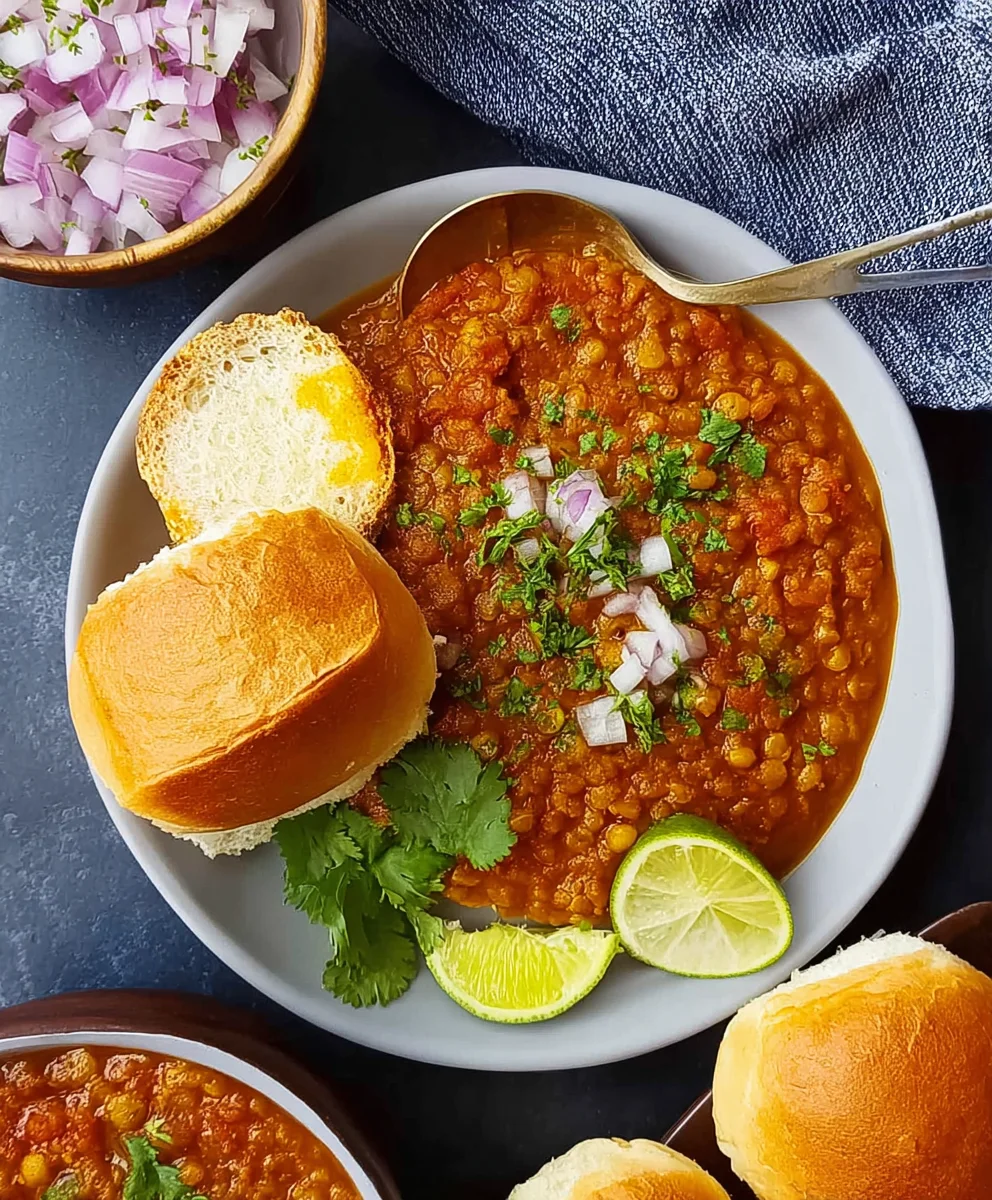
Serve: Ladle hot bhaji into a serving bowl, garnish with remaining cilantro and a dollop of butter. Serve immediately with the butter-toasted pav and a slice of lemon.
Important Information
Nutrition Facts (Per Serving)
It is important to consider this information as approximate and not to use it as definitive health advice.
Allergy Information
Please check ingredients for potential allergens and consult a health professional if in doubt.




Leave a Comment