
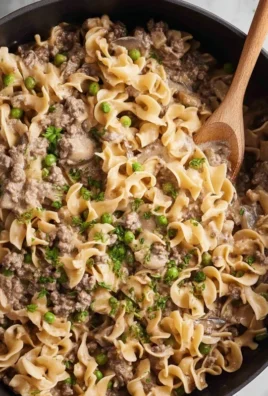
F0bfc20e2ff38a7a5700cabb4293a33d.jpg is more than just a beautiful image; it represents a gateway to a culinary experience that has captivated taste buds for generations. This dish, often shared during gatherings and cherished family meals, embodies comfort, flavor, and a touch of timeless tradition. What is it about this particular creation that sparks such widespread affection? It’s the harmonious interplay of textures and tastes – a tender base perfectly complemented by a vibrant topping, all coming together in a symphony of deliciousness. We love it because it’s approachable yet utterly satisfying, offering a reliable path to a delightful meal every single time. The magic of F0bfc20e2ff38a7a5700cabb4293a33d.jpg lies in its simplicity, allowing high-quality ingredients to shine while still delivering an impressive and memorable flavor profile that will have everyone asking for seconds. Prepare to fall in love with this classic.

Ingredients:
- 2 pounds bone-in, skin-on chicken thighs
- 1 large yellow onion, thinly sliced
- 4 cloves garlic, minced
- 1 tablespoon smoked paprika
- 1 teaspoon ground cumin
- 1/2 teaspoon dried oregano
- 1/4 teaspoon cayenne pepper (optional, for a little heat)
- 2 tablespoons olive oil
- 1 cup chicken broth
- 1 (15-ounce) can diced tomatoes, undrained
- 1/4 cup chopped fresh parsley, for garnish
- Salt and freshly ground black pepper to taste
Searing the Chicken
Step 1: Preparation is Key
Before we get anything cooking, let’s get our chicken thighs prepped. Pat them thoroughly dry with paper towels. This is a crucial step because moisture is the enemy of crispy skin and a good sear. The drier the skin, the more beautifully it will brown. Once dry, generously season both sides of the chicken thighs with salt and freshly ground black pepper. Don’t be shy with the seasoning; it will build the foundation of flavor for our dish.
Step 2: Achieving a Golden Sear
Heat the olive oil in a large, heavy-bottomed skillet or Dutch oven over medium-high heat. You want the oil to be shimmering, but not smoking. Carefully place the seasoned chicken thighs, skin-side down, into the hot skillet. Make sure not to overcrowd the pan; you may need to work in batches. Overcrowding will steam the chicken instead of searing it, and we’re after that gorgeous, crispy skin. Let the chicken cook undisturbed for about 7-8 minutes, or until the skin is deeply golden brown and has rendered a good amount of its fat. Flip the chicken and sear the other side for another 3-4 minutes until it also has a nice color.
Building the Flavor Base
Step 3: Caramelizing the Aromatics
Once the chicken has been seared on both sides, remove it from the skillet and set it aside on a plate. Pour off most of the rendered chicken fat from the skillet, leaving about 1 tablespoon behind in the pan. Reduce the heat to medium. Add the thinly sliced yellow onion to the skillet. Cook, stirring occasionally, until the onions are softened and begin extractning to turn translucent, about 5-7 minutes. This gentle cooking will bring out their natural sweetness. Then, add the minced garlic and cook for another minute until fragrant. Be careful not to burn the garlic, as it can turn bitter.
Step 4: Blooming the Spices
Now it’s time to introduce our spice blend. Add the smoked paprika, ground cumin, dried oregano, and cayenne pepper (if using) to the skillet with the onions and garlic. Stir well and cook for about 30 seconds to a minute, allowing the spices to toast in the residual heat and oil. This process, known as “blooming” the spices, intensifies their aromas and flavors, making them much more vibrant in the final dish. You’ll notice a wonderful fragrance filling your kitchen at this stage.
Simmering to Perfection
Step 5: Uniting the Elements
Pour in the chicken broth, scraping up any browned bits that may be stuck to the bottom of the skillet. These bits are packed with flavor! Add the can of diced tomatoes, including their juice. Stir everything together to combine. Bring the mixture to a simmer. Return the seared chicken thighs to the skillet, nestling them into the tomato and onion mixture. The liquid should come up about halfway to two-thirds of the way up the sides of the chicken. If it seems a bit dry, you can add a little more chicken broth or water.
Step 6: Slow and Steady Wins the Race
Cover the skillet tightly with a lid. Reduce the heat to low and let the chicken simmer gently for 30-40 minutes, or until the chicken is cooked through and incredibly tender. The low and slow cooking allows the chicken to absorb all the delicious flavors from the sauce and become fall-off-the-bone tender. Periodically check the liquid level and give it a gentle stir to prevent sticking, but try not to disturb the chicken too much. The sauce will thicken naturally as it cooks. If you prefer a thicker sauce, you can remove the lid for the last 10-15 minutes of cooking to allow some of the liquid to evaporate.
Step 7: Finishing Touches and Serving
Once the chicken is cooked and the sauce has reached your desired consistency, taste the sauce and adjust the seasoning with salt and pepper if needed. The flavors should be rich and well-balanced. Before serving, stir in most of the chopped fresh parsley, reserving a little for garnish. The fresh parsley adds a bright, herbaceous note that complements the savory richness of the dish. Serve the chicken thighs hot, spooning plenty of the flavorful tomato and onion sauce over each piece. Garnish with the remaining fresh parsley. This dish is wonderful served with rice, crusty bread for dipping, or a simple green salad.

Conclusion:
There you have it – a delightful and approachable recipe for F0bfc20e2ff38a7a5700cabb4293a33d.jpg! We hope you’ve enjoyed exploring this culinary adventure. This dish is wonderfully versatile, perfect for a weeknight dinner, a special occasion, or even as a crowd-pleasing appetizer. Don’t be afraid to experiment and make it your own. Remember, cooking should be fun, so embrace the process and savor the delicious results.
For serving suggestions, F0bfc20e2ff38a7a5700cabb4293a33d.jpg pairs beautifully with a fresh green salad, crusty bread for soaking up any delicious sauces, or steamed vegetables. If you’re feeling adventurous with variations, consider adding a pinch of chili flakes for a little heat, incorporating different herbs like rosemary or thyme, or even swapping out the protein for shrimp or tofu.
We encourage you to try this recipe and share your experiences. We’re confident that F0bfc20e2ff38a7a5700cabb4293a33d.jpg will become a favorite in your recipe repertoire.
Frequently Asked Questions:
Can I make F0bfc20e2ff38a7a5700cabb4293a33d.jpg ahead of time?
Yes, you can prepare many components of F0bfc20e2ff38a7a5700cabb4293a33d.jpg in advance. The sauce can typically be made a day ahead and reheated gently. For best results with the main components, it’s recommended to cook them closer to serving time to maintain optimal texture and flavor.
What are some good gluten-free alternatives for F0bfc20e2ff38a7a5700cabb4293a33d.jpg?
If you need a gluten-free version of F0bfc20e2ff38a7a5700cabb4293a33d.jpg, you can easily substitute gluten-free flour for the all-purpose flour. Ensure any soy sauce or Worcestershire sauce used is also certified gluten-free. Many other ingredients in this recipe are naturally gluten-free.

Tender Slow-Cooked Beef Roast with Garlic-Herb Marinade
A deeply flavorful and tender beef roast, slow-cooked to perfection with a savory garlic and herb marinade.
Ingredients
-
2 pounds bone-in, skin-on beef roast
-
1 large yellow onion, thinly sliced
-
4 cloves garlic, minced
-
1 tablespoon smoked paprika
-
1 teaspoon ground cumin
-
1/2 teaspoon dried oregano
-
1/4 teaspoon cayenne pepper (optional, for a little heat)
-
2 tablespoons olive oil
-
1 cup beef broth
-
1 (15-ounce) can diced tomatoes, undrained
-
1/4 cup chopped fresh parsley, for garnish
-
Salt and freshly ground black pepper to taste
Instructions
-
Step 1
Pat the beef roast thoroughly dry with paper towels. Generously season both sides of the roast with salt and freshly ground black pepper. -
Step 2
Heat the olive oil in a large, heavy-bottomed skillet or Dutch oven over medium-high heat until shimmering. Sear the beef roast on all sides until deeply browned. Remove the roast and set aside. -
Step 3
Pour off most of the rendered fat, leaving about 1 tablespoon. Add the thinly sliced yellow onion and cook until softened and translucent, about 5-7 minutes. Add the minced garlic and cook for another minute until fragrant. Be careful not to burn the garlic. -
Step 4
Add the smoked paprika, ground cumin, dried oregano, and cayenne pepper (if using). Stir well and cook for about 30 seconds to a minute until fragrant, allowing the spices to bloom. -
Step 5
Pour in the beef broth, scraping up any browned bits from the bottom of the skillet. Add the can of diced tomatoes, including their juice. Stir to combine and bring to a simmer. Return the seared beef roast to the skillet, nestling it into the sauce. The liquid should come up about halfway to two-thirds of the way up the sides of the roast. -
Step 6
Cover the skillet tightly with a lid. Reduce the heat to low and let the roast simmer gently for 2-3 hours, or until incredibly tender. Check liquid level periodically and add more beef broth or water if needed. For a thicker sauce, remove the lid for the last 15-20 minutes of cooking. -
Step 7
Taste the sauce and adjust seasoning with salt and pepper. Stir in most of the chopped fresh parsley. Serve the beef roast hot, spooning the sauce over each piece. Garnish with the remaining parsley.
Important Information
Nutrition Facts (Per Serving)
It is important to consider this information as approximate and not to use it as definitive health advice.
Allergy Information
Please check ingredients for potential allergens and consult a health professional if in doubt.


Leave a Comment