
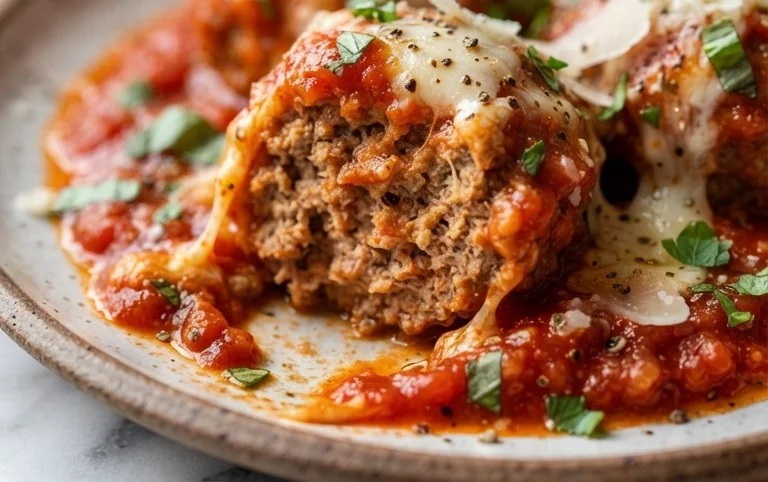
Ricotta meatballs are an absolute revelation, and I’m so excited to share my favorite recipe with you today! Forget dry, dense meatballs; these are light, impossibly tender, and bursting with flavor. What is it about ricotta meatballs that captures hearts? It’s that incredible, almost cloud-like texture that melts in your mouth, a luxurious counterpoint to a rich marinara sauce. The secret ingredient, of course, is the ricotta cheese itself, which not only tenderizes the meat but also adds a subtle, creamy richness that’s utterly irresistible. They’re perfect for a comforting weeknight dinner, a crowd-pleasing appetizer, or even as a special addition to your holiday spread. Get ready to elevate your meatball game because these ricotta meatballs are about to become your new go-to!

Unlock the Secret to Tender, Flavorful Ricotta Meatballs
Are you tired of dry, crum extractbly meatballs? Do you dream of a bite that’s simultaneously juicy, pillowy-soft, and packed with incredible flavor? Then it’s time to elevate your meatball game with this sensational Ricotta Meatball recipe. The secret ingredient, as you might have guessed, is ricotta cheese. This creamy dairy wonder not only adds an incredible tenderness that makes these meatballs melt in your mouth, but it also helps bind them beautifully without making them dense.
These aren’t your average meatballs. They’re a culinary hug, perfect for a cozy weeknight dinner or impressive enough for guests. We’ll walk through each step, ensuring you achieve perfect, crowd-pleasing results every time. Get ready to experience meatballs like you never have before!
Ingredients:
Crafting the Perfect Meatball Mixture
The journey to perfect ricotta meatballs begin extracts with building a flavorful and cohesive base. Here’s how we do it:
1. Sautéing the Aromatics: In a large skillet, heat 2 tablespoons of the olive oil over medium heat. Add the finely diced yellow onion and cook, stirring occasionally, until it becomes softened and translucent, about 5-7 minutes. This gentle sautéing draws out the natural sweetness of the onion. Then, add the 3 cloves of minced garlic and cook for another minute until fragrant, being careful not to burn it. This step builds a foundational layer of flavor that will permeate every bite of your meatballs. Once cooked, transfer the onion and garlic mixture to a large mixing bowl and let it cool slightly.
2. Combining the Wet and Dry Ingredients: To the cooled onion and garlic mixture, add the 15 oz. of ricotta cheese, the whisked egg, and the ½ cup of half and half. The ricotta is key to the tenderness, the egg acts as a binder, and the half and half (or cream) adds richness and moisture. Next, incorporate the ½ cup of Italian breadcrum extractbs, which will absorb excess moisture and help the meatballs hold their shape. Add the ½ cup of grated Parmesan cheese for a salty, nutty depth of flavor, and the 1/3 cup of roughly chopped fresh parsley for a bright, herbaceous note. Now, season the mixture with 1 teaspoon each of Italian seasoning, mustard powder, salt, and ½ teaspoon of pepper. The mustard powder might seem unusual, but it adds a subtle tang that truly enhances the meatball’s overall flavor profile. Mix everything together gently until just combined. Overmixing can lead to tough meatballs.
3. Incorporating the Ground Chuck: Add the 1 lb. of 80% lean ground chuck to the bowl. It’s important to use ground chuck for its balance of meat and fat; too lean and the meatballs will be dry, too fatty and they can become greasy. Using your hands, gently fold and combine the ground chuck with the ricotta mixture. The goal is to distribute the meat evenly without overworking it. You want just enough mixing so that all the ingredients are incorporated and the mixture holds together when you gently press it. Remember, the less you handle the meat, the more tender your meatballs will be.
Shaping and Searing for Flavor
Once your meatball mixture is ready, it’s time to give them their signature shape and a beautiful golden-brown crust.
4. Forming the Meatballs: Gently roll the meatball mixture into balls, aiming for a uniform size of about 1 ½ to 2 inches in diameter. You should be able to get around 18-20 meatballs from this recipe. Avoid packing them too tightly; a looser ball will result in a more tender meatball. If the mixture feels a bit sticky, you can lightly dampen your hands with water or a little olive oil. Place the formed meatballs on a baking sheet lined with parchment paper as you work.
5. Searing to Perfection: In a large, oven-safe skillet or Dutch oven, heat the remaining ¼ cup of olive oil over medium-high heat. You want the oil to be shimmering but not smoking. Carefully place the meatballs into the hot oil, ensuring you don’t overcrowd the pan. Cook in batches if necessary, as overcrowding will steam the meatballs instead of searing them, preventing that desirable golden-brown crust. Sear the meatballs for about 2-3 minutes on each side, until they are nicely browned all around. This searing step is crucial for developing deep flavor and creating a lovely exterior texture. Once seared, remove the meatballs from the skillet and set them aside on a clean plate.
Simmering to Deliciousness
The final stage brings everything together, infusing the meatballs with the rich flavor of marinara sauce.
6. The Marinara Embrace: Pour the 32 oz. of marinara sauce into the same skillet you used for searing (don’t wipe it out; those browned bits are pure flavor!). Bring the sauce to a gentle simmer over medium heat. Carefully nestle the seared meatballs back into the simmering marinara sauce. Make sure they are mostly submerged in the sauce. Cover the skillet and reduce the heat to low. Let the meatballs simmer gently for at least 20-30 minutes, or until they are cooked through and incredibly tender. The longer they simmer, the more the flavors will meld and the more succulent the meatballs will become. You can also finish cooking them in a 350°F (175°C) oven if your skillet is oven-safe.
Serve these glorious ricotta meatballs hot, tossed with your favorite pasta, layered in a sub sandwich, or simply enjoyed on their own. Garnish with extra chopped parsley for a fresh, vibrant finish. Enjoy the incredibly tender, flavorful difference that ricotta makes!
Conclusion:
There you have it – a foolproof guide to making incredibly tender and flavorful ricotta meatballs! The magic of incorporating ricotta cheese into your meatball mixture is undeniable. It transforms standard meatballs into something truly special, creating a lighter, melt-in-your-mouth texture that’s miles beyond the dense, dry versions you might be used to. These ricotta meatballs are a culinary triumph, perfect for elevating weeknight dinners or impressing guests at your next gathering. I truly encourage you to give this recipe a try; you won’t be disappointed!
These versatile spheres of deliciousness are fantastic served over your favorite pasta with a rich marinara sauce, nestled into a hearty sub sandwich, or even as a delightful appetizer. For a delightful twist, consider adding a pinch of nutmeg to your ricotta meatball mixture, or finely chopped fresh herbs like parsley and basil for an extra burst of freshness. Experiment with different ground meats too – turkey or a blend of beef and beef can be equally delicious.
Frequently Asked Questions:
Can I make these ricotta meatballs ahead of time?
Absolutely! You can prepare the meatball mixture and roll the meatballs up to two days in advance. Store them, uncooked, in an airtight container in the refrigerator. You can also freeze them for up to 3 months. Thaw frozen meatballs overnight in the refrigerator before cooking.
My ricotta meatballs are a bit too soft. How can I firm them up?
The ricotta is key to their tenderness, but if you find them too delicate, you can slightly increase the amount of breadcrum extractbs. Alternatively, ensure you’re not overmixing the meat mixture once the ricotta is added, as this can make them denser but also tougher. A gentler mix is usually best for these ricotta meatballs.
What kind of ricotta cheese should I use?
Whole milk ricotta is generally preferred for its richer flavor and creamier texture, which translates beautifully into the meatballs. However, part-skim ricotta will also work if that’s what you have on hand.
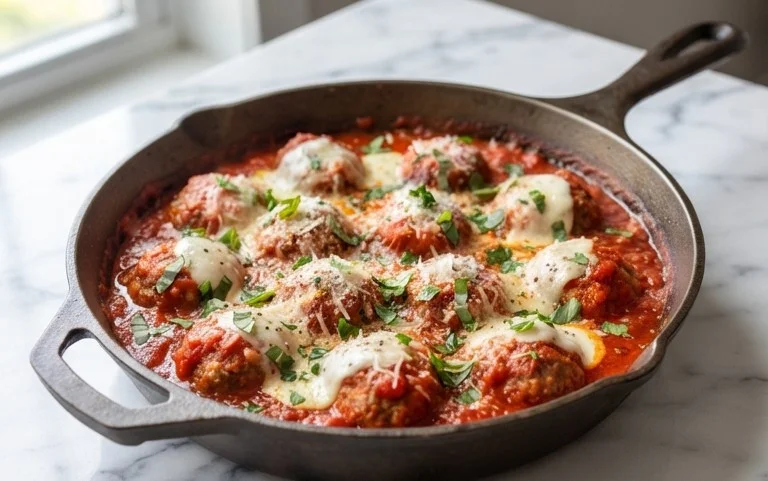
Ricotta Meatballs
Tender and flavorful meatballs made with ricotta cheese, perfect for serving with marinara sauce.
Ingredients
-
1 lb. ground chuck (80% lean)
-
15 oz. Ricotta cheese
-
1 Egg (whisked)
-
½ cup Italian breadcrumbs
-
½ cup Parmesan cheese
-
1/3 cup roughly chopped parsley
-
3 cloves garlic (minced)
-
1 yellow onion (finely diced)
-
1 teaspoon EACH: dried basil, oregano, parsley
-
1 teaspoon Italian seasoning
-
1 teaspoon mustard powder
-
1 teaspoon salt
-
½ teaspoon Pepper
-
½ cup half and half
-
½ cup olive oil (for browning)
-
32 oz. marinara sauce
Instructions
-
Step 1
In a large bowl, combine the ground chuck, ricotta cheese, whisked egg, Italian breadcrumbs, Parmesan cheese, chopped parsley, minced garlic, diced yellow onion, dried basil, oregano, parsley, Italian seasoning, mustard powder, salt, and pepper. Mix gently until just combined, being careful not to overmix. -
Step 2
Roll the mixture into meatballs, about 1.5 inches in diameter. You should get approximately 20-24 meatballs. -
Step 3
Heat ½ cup of olive oil in a large skillet over medium-high heat. Brown the meatballs in batches, turning occasionally, until browned on all sides. This will take about 8-10 minutes per batch. -
Step 4
Remove the browned meatballs from the skillet and set aside. Drain off excess grease if necessary. -
Step 5
Pour the marinara sauce into the same skillet and heat over medium heat. Add the half and half to the marinara sauce and stir to combine. -
Step 6
Gently place the browned meatballs into the marinara sauce. Cover the skillet and simmer for at least 15-20 minutes, or until the meatballs are cooked through and the sauce has thickened slightly. -
Step 7
Garnish with additional chopped parsley before serving.
Important Information
Nutrition Facts (Per Serving)
It is important to consider this information as approximate and not to use it as definitive health advice.
Allergy Information
Please check ingredients for potential allergens and consult a health professional if in doubt.



Leave a Comment