
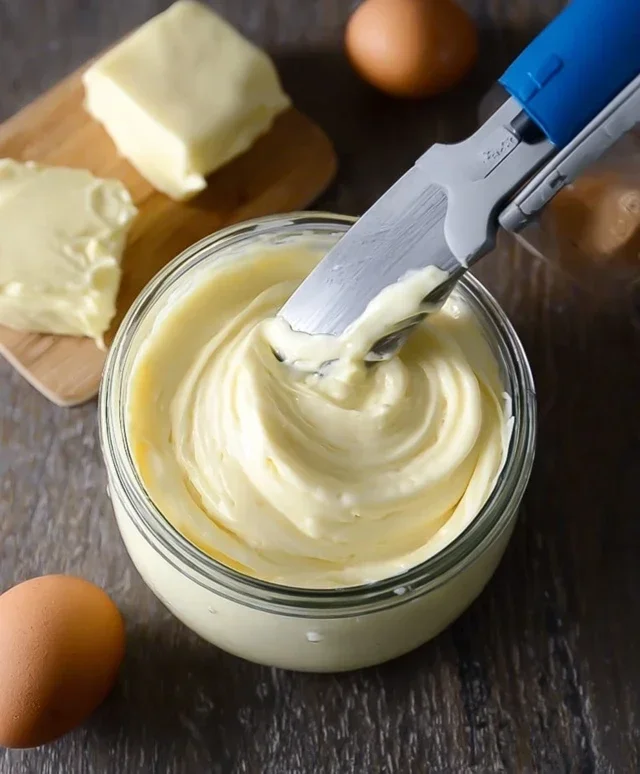
Making mayo from scratch is easy and totally worth it, and I’m here to tell you why you should ditch the jarred stuff forever. Forget that bland, overly processed condiment that sits in your fridge for months. Homemade mayonnaise is a revelation! It’s a creamy, dreamy emulsion that elevates everything it touches, from the simplest sandwich to the most sophisticated salad dressing. The magic lies in its pure, fresh flavor – a delicate balance of richness from the egg yolk and a bright tang from the lemon or vinegar. Once you taste the difference, you’ll understand why so many home cooks are making mayo from scratch. It’s not just a sauce; it’s a testament to simple ingredients transformed into something truly special. Plus, the satisfaction of creating this kitchen staple yourself is incredibly rewarding.

Making Mayo From Scratch Is Easy And Totally Worth It
Forget those jars in the grocery store! Making mayonnaise from scratch is surprisingly simple, incredibly rewarding, and the taste difference is astounding. Freshly made mayo is a revelation – it’s richer, creamier, and has a bright, tangy flavor that store-bought versions just can’t replicate. Plus, you have complete control over the ingredients, which is a huge bonus for anyone with dietary concerns or who simply wants to avoid preservatives and additives. Once you try homemade mayo, you’ll wonder why you ever bothered with the pre-made stuff. It’s a culinary skill that feels fancy but is, in reality, quite accessible for any home cook.
Ingredients:
The Magic of Emulsification
The key to making mayonnaise is understanding emulsification. It’s the process of combining two liquids that normally wouldn’t mix, like oil and water (or in this case, oil and the egg yolk’s lecithin). The egg yolk acts as the emulsifier, creating a stable bond that allows the oil to be incorporated smoothly. When you add the oil slowly and whisk constantly, you’re breaking down the oil into tiny droplets that get suspended within the egg mixture, creating that signature creamy texture. The slightest bit of patience and a watchful eye are all you need.
Instructions
1. Prepare Your Base: In a medium-sized bowl, whisk together the egg yolk, Dijon mustard, lemon juice (or vinegar), salt, and white pepper (if using). Whisk these ingredients vigorously for about 30 seconds until they are well combined and the mixture starts to become slightly lighter in color. This initial whisking helps to break down the egg yolk and prepare it for the oil. Make sure your egg yolk is at room temperature; cold yolks can make the emulsification process more difficult. If you forgot to take your egg out in advance, you can quickly warm it by placing it in a small bowl of warm (not hot) water for a few minutes.
2. The Slow Drizzle: The Key to Success: This is the most crucial step, so pay close attention! Start adding the oil very slowly, literally drop by drop, while whisking continuously. You’ll notice that at first, it seems like the oil is just sitting on top. Keep whisking! As you continue adding those tiny droplets of oil, you’ll see the mixture begin extract to thicken and emulsify. This slow, gradual addition of oil is what prevents the mayonnaise from breaking (separating). If you add the oil too quickly, the emulsion will fail, and you’ll end up with a greasy, separated mess. This phase requires patience, but it’s entirely worth it.
3. Gradually Increasing the Oil Flow: Once you’ve added about a quarter of the oil, drop by drop, and the mixture has noticeably thickened into a creamy emulsion, you can start to increase the oil flow slightly. Instead of single drops, you can now drizzle a very thin, steady stream of oil while continuing to whisk. Continue this process until all the oil is incorporated. You’ll see the mayonnaise become progressively thicker and glossier as you go. Don’t rush this; a thin, consistent stream is still the goal. If at any point it looks like it’s not thickening or feels too thin, just go back to adding oil drop by drop for a bit.
4. Achieving the Perfect Consistency: Keep whisking and drizzling until you reach your desired consistency. You might use the full cup of oil, or you might find that 3/4 of a cup yields a perfectly thick mayonnaise for your liking. The amount of oil needed can vary slightly depending on the size of the egg yolk and humidity. If your mayonnaise is too thick, you can thin it out by whisking in a tiny bit of water or lemon juice, about a teaspoon at a time, until it reaches the desired consistency. If, by some chance, your mayonnaise breaks (separates into oil and a watery liquid), don’t despair! You can often fix it.
5. Troubleshooting a Broken Emulsion (and How to Prevent It): If your mayonnaise has broken, meaning it looks oily and curdled, here’s a common fix. In a clean bowl, whisk up a fresh egg yolk with a teaspoon of Dijon mustard. Then, very slowly, whisk in the broken mayonnaise, a teaspoon at a time, just as you did with the oil in the begin extractning. This should help to re-emulsify the mixture. To prevent breaking in the future, always add oil slowly, ensure your egg yolk is at room temperature, and avoid overly vigorous whisking, especially in the initial stages.
Once your mayonnaise is made, taste it and adjust the salt or lemon juice if needed. Transfer it to an airtight container and store it in the refrigerator. Homemade mayonnaise will last for about a week in the fridge. Enjoy it on sandwiches, in potato salad, or as a base for creamy dressings!
Conclusion:
So there you have it! As you can see, making mayo from scratch is easy and, quite frankly, a game-changer for your kitchen. The incredible freshness, the silky smooth texture, and the complete control you have over ingredients – it’s a culinary achievement that’s surprisingly within reach. Forget those tubs from the grocery store; this homemade version is leagues above. Its versatility is astounding, acting as the perfect base for countless dishes. Think creamy potato salads, rich deviled eggs, tangy coleslaw, or simply as a luscious spread for sandwiches and burgers. Don’t be afraid to experiment with flavors! Infuse it with garlic, herbs like chives or dill, a pinch of smoked paprika, or even a dash of sriracha for a spicy kick. I truly encourage you to give this a try. The satisfaction of creating such a fundamental condiment from basic ingredients is immense, and the taste difference will have you wondering why you ever bought store-bought mayo again.
Frequently Asked Questions:
Why is my homemade mayonnaise runny?
A runny mayonnaise is usually a sign that the oil was added too quickly, or the egg yolk and oil didn’t emulsify properly. If it’s slightly runny, try slowly drizzling in more oil while whisking vigorously. For a completely broken emulsion, you can sometimes save it by starting with a fresh egg yolk in a clean bowl and slowly whisking the broken mixture into the new yolk, a tablespoon at a time.
Can I make mayonnaise without raw eggs?
Yes, you can! While the traditional method uses raw egg yolks for that signature richness and emulsification, you can achieve a similar result using pasteurized eggs, which are readily available in most supermarkets. For a completely egg-free version, you’ll need to explore recipes that use ingredients like aquafaba (the liquid from canned chickpeas) or avocado as emulsifiers.
Making Mayo From Scratch Is Easy And Totally Worth It
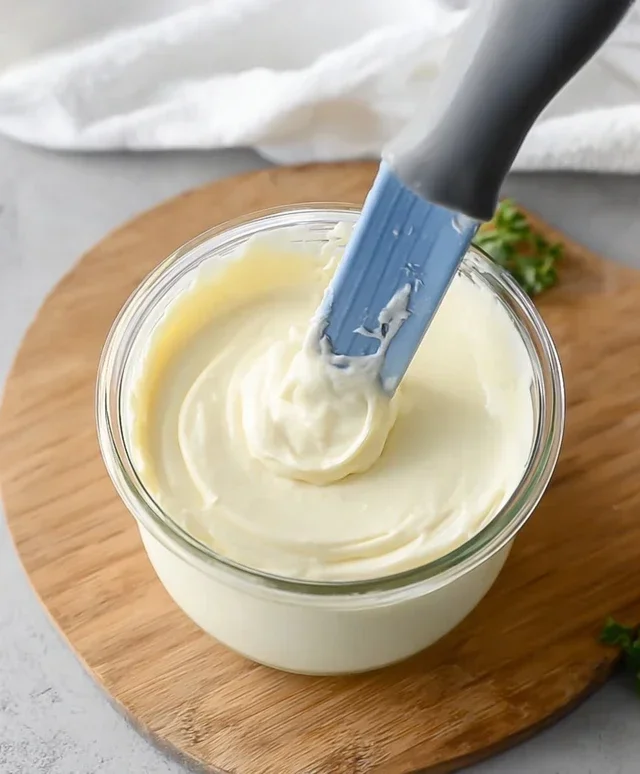
Whip up your own creamy, delicious mayonnaise at home with this simple recipe. It’s surprisingly easy and elevates any dish.
Ingredients
-
2 large egg yolks
-
1 teaspoon Dijon mustard
-
1 tablespoon fresh lemon juice
-
1/2 cup neutral oil (like canola or grapeseed)
-
1/4 cup olive oil
-
Salt to taste
Instructions
-
Step 1
In a medium bowl, whisk together the egg yolks and Dijon mustard until combined. -
Step 2
Gradually whisk in the lemon juice. The mixture may start to thicken slightly. -
Step 3
Very slowly, drop by drop at first, begin to whisk in the neutral oil. It is crucial to add the oil extremely slowly to allow the emulsion to form. -
Step 4
Once the mixture starts to thicken and emulsify, you can increase the oil addition to a thin, steady stream, continuing to whisk constantly. -
Step 5
When all the neutral oil is incorporated and the mayonnaise is thick, whisk in the olive oil. This adds flavor and a richer texture. -
Step 6
Season with salt to taste. Whisk to combine. The mayonnaise can be stored in an airtight container in the refrigerator for up to a week.
Important Information
Nutrition Facts (Per Serving)
It is important to consider this information as approximate and not to use it as definitive health advice.
Allergy Information
Please check ingredients for potential allergens and consult a health professional if in doubt.

Leave a Comment