
Chimichurri sauce is more than just a condiment; it’s a vibrant explosion of fresh herbs and zesty flavor that has captured hearts and taste buds worldwide. If you’ve ever savored a perfectly grilled steak or a smoky roasted vegetable, chances are you’ve encountered its magic. What is it about this Argentinian staple that makes us reach for it again and again? It’s the brilliant simplicity, the way a handful of fresh parsley, oregano, garlic, vinegar, and olive oil can transform the ordinary into the extraordinary. This isn’t just another sauce; it’s a culinary passport to bright, herbaceous goodness. The fresh zing of the parsley, the subtle bite of garlic, and the tangy vinegar create a symphony of taste that cuts through richness and elevates every bite. Get ready to discover how easy it is to create your own sensational chimichurri sauce at home!

Ingredients:
Chimichurri sauce. The name itself conjures images of vibrant flavors and sizzling grills. This Argentinian condiment is an absolute game-changer, transforming simple grilled meats, roasted vegetables, and even a humble piece of bread into something truly spectacular. Its bright, herbaceous, and slightly tangy profile is incredibly addictive, and the best part? It’s surprisingly easy to make at home. Forget those store-bought versions; once you’ve tasted homemade chimichurri, you’ll never go back. This recipe delivers a perfectly balanced sauce that’s both fresh and robust, ready to elevate any dish.
The beauty of chimichurri lies in its simplicity and the quality of its ingredients. We’re going to use a generous amount of fresh herbs, a touch of pungent aromatics, bright acidic elements, and good olive oil. The result is a sauce that’s incredibly versatile and bursting with flavor. It’s the perfect accompaniment to a juicy steak, grilled chicken, fish, or even roasted root vegetables. Don’t be afraid to experiment with its uses! I love a drizzle over scrambled eggs or as a marinade for beef. The fresh parsley forms the fragrant backbone of this sauce, providing a clean, slightly peppery base. The cilantro adds a distinct citrusy and slightly pungent note that complements the parsley beautifully. If you’re not a fan of cilantro, you can increase the amount of parsley or even substitute it with more parsley or a bit of mint for a different twist, though the classic combination is truly special.
For the herbaceous element, fresh oregano is king here. Its slightly minty and earthy notes add another layer of complexity. If you can’t find fresh oregano, don’t fret; a teaspoon of good quality dried oregano will certainly do the trick, though the fresh stuff offers a more vibrant aroma and taste. The allium component is crucial for that little kick. A quarter of a small red onion provides a pleasant sharpness without being overpowering. If you prefer a milder onion flavor, a small shallot is an excellent substitute. It offers a more delicate sweetness and less bite. Then comes the garlic, the unsung hero of so many delicious dishes. We’re using three cloves, which will provide a wonderful aromatic depth to the chimichurri. Feel free to adjust this based on your personal preference for garlic intensity; some people love a lot, others prefer it more subtle.
The tang and brightness come from our acidic trio: red grape juice vinegar, fresh lemon juice, and a pinch of salt. The red grape juice vinegar lends a subtle fruity undertone and a beautiful ruby hue, differentiating it from standard white or red grape juice vinegars. The fresh lemon juice is essential for cutting through the richness of the olive oil and adding a zesty lift. And of course, salt is paramount for awakening all the flavors. We start with half a teaspoon and then encourage you to taste and adjust, as personal preference for saltiness can vary. Finally, for a touch of heat, we include red pepper flakes. This is entirely optional, but I find a small amount adds a delightful warmth that lingers pleasantly on the palate. You can add more or less, or omit them entirely if you prefer a mild sauce. The star of the show, binding all these wonderful ingredients together, is good quality olive oil. It should be extra virgin extract for the best flavor and texture.
Preparing Your Chimichurri
The process of making chimichurri is remarkably straightforward, focusing on fresh ingredients and a good chop. There’s no cooking involved, which means the vibrant flavors of the herbs remain wonderfully bright and lively.
1. The Herbaceous Foundation: Begin extract by gathering your fresh herbs. Wash the parsley and cilantro thoroughly under cool running water and pat them completely dry with paper towels or use a salad spinner. This step is crucial; excess water can make your chimichurri watery and less flavorful. Once dry, finely chop both the parsley and cilantro. Aim for a consistent, small dice. If you are using fresh oregano, chop that as well. If using dried oregano, you’ll add it later.
2. Aromatics and Spice: Next, finely mince the garlic cloves. The finer you mince the garlic, the better it will distribute throughout the sauce. Prepare your red onion or shallot by mincing it very finely as well. The goal here is to have small, almost confetti-like pieces so they integrate smoothly into the sauce without large chunks. If you’re adding red pepper flakes, have them ready.
3. Building the Flavor Base: In a medium bowl, combine the finely chopped parsley, cilantro, and oregano (if using fresh). Add the minced garlic and red onion or shallot. If you are using dried oregano, add it to the bowl at this stage. Stir these ingredients together to start melding their aromas.
4. The Acidic Zing and Seasoning: To the herb and aromatic mixture, add the red grape juice vinegar and fresh lemon juice. These liquids will help to slightly soften the herbs and begin extract to extract their flavors. Now, add the 1/2 teaspoon of salt and the red pepper flakes (if using). Stir everything together well, ensuring the salt is evenly distributed. Let this mixture sit for about 5-10 minutes. This brief resting period allows the acids to begin extract their work and the flavors to meld, creating a more harmonious base for the olive oil.
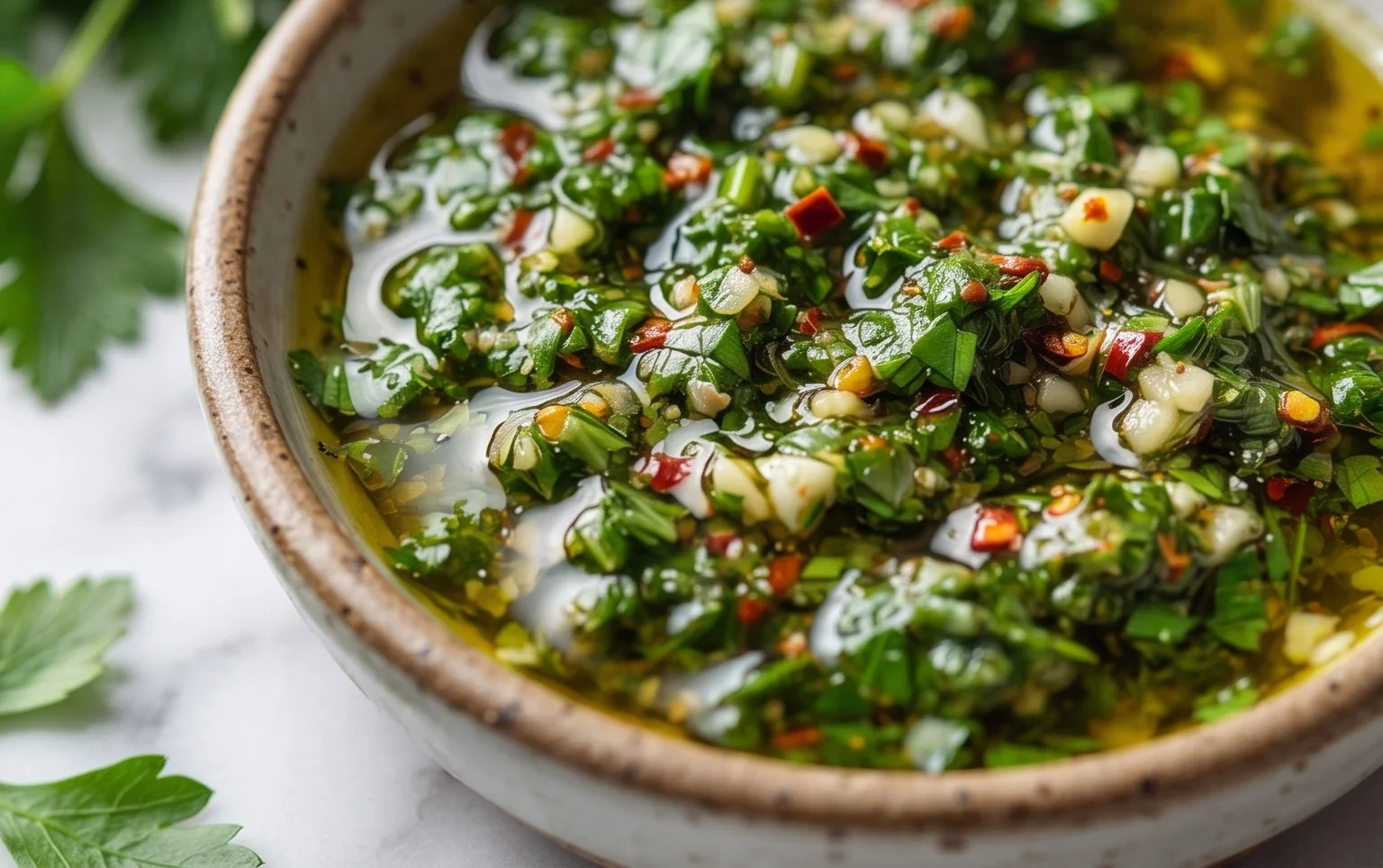
5. Emulsifying the Sauce: Now it’s time to add the star binder: the olive oil. Slowly drizzle in the 3/4 cup of olive oil while stirring continuously. The goal is to gradually incorporate the oil, creating a beautiful, slightly emulsified sauce. You’re not looking for a thick, mayonnaise-like consistency, but rather a well-combined, vibrant green sauce with all the ingredients suspended. Stir until everything is thoroughly incorporated and the sauce has a beautiful, glossy appearance.
6. The Final Taste and Adjustments: This is arguably the most important step. Taste your chimichurri! Use a clean spoon to sample the sauce. Does it need more salt? A little more acidity from lemon juice or vinegar? Perhaps a touch more heat from red pepper flakes? Adjust the seasonings according to your preference. Chimichurri is meant to be vibrant and flavorful, so don’t be shy about making it perfect for your palate. Once you’re happy with the taste, transfer the chimichurri to a clean jar or airtight container. For the best flavor, let it sit for at least 30 minutes at room temperature, or better yet, refrigerate it for a few hours before serving. This allows the flavors to deepen and meld even further. It will keep in the refrigerator for up to a week. Enjoy!
Conclusion:
And there you have it – your very own vibrant and zesty Chimichurri Sauce! I truly hope you’ve enjoyed learning how to make this incredibly versatile condiment. The beauty of this recipe lies in its simplicity and the explosion of fresh flavors it brings to any dish. It’s incredibly rewarding to whip up something so delicious from scratch that instantly elevates your cooking. Whether you’re a seasoned chef or just starting in the kitchen, this chimichurri recipe is a fantastic addition to your repertoire. Don’t be afraid to experiment with your ingredients and find your perfect balance of herbs and spices!
This fantastic sauce is perfect drizzled over grilled meats like steak or chicken, but its magic doesn’t stop there! It’s equally divine with roasted vegetables, fish, as a dip for empanadas, or even stirred into pasta salads. Get creative and see where this flavorful chimichurri sauce takes you. I wholeheartedly encourage you to give this recipe a try – I promise you won’t be disappointed!
Frequently Asked Questions:
Why is my chimichurri not bright green?
The vibrant green color of chimichurri comes from fresh herbs, particularly parsley. If yours isn’t as bright, it could be due to the age of your herbs, over-processing which can bruise them, or if you used a blender that generated too much heat. For the freshest results, always use the freshest possible ingredients and consider a rough chop rather than liquefying it completely.
Can I make chimichurri ahead of time?
Absolutely! Chimichurri actually tastes even better after a day or two, as the flavors have more time to meld together. Store it in an airtight container in the refrigerator. It should stay fresh for about 4-5 days. Just give it a good stir before serving.
What are some good variations on the classic chimichurri recipe?
You can get really creative! Some popular variations include adding a pinch of red pepper flakes for a little heat, swapping some of the parsley for cilantro for a different herbaceous note, or even adding a squeeze of lime juice for extra tang. Some people also like to include a finely minced shallot instead of or in addition to the garlic.
Chimichurri Sauce
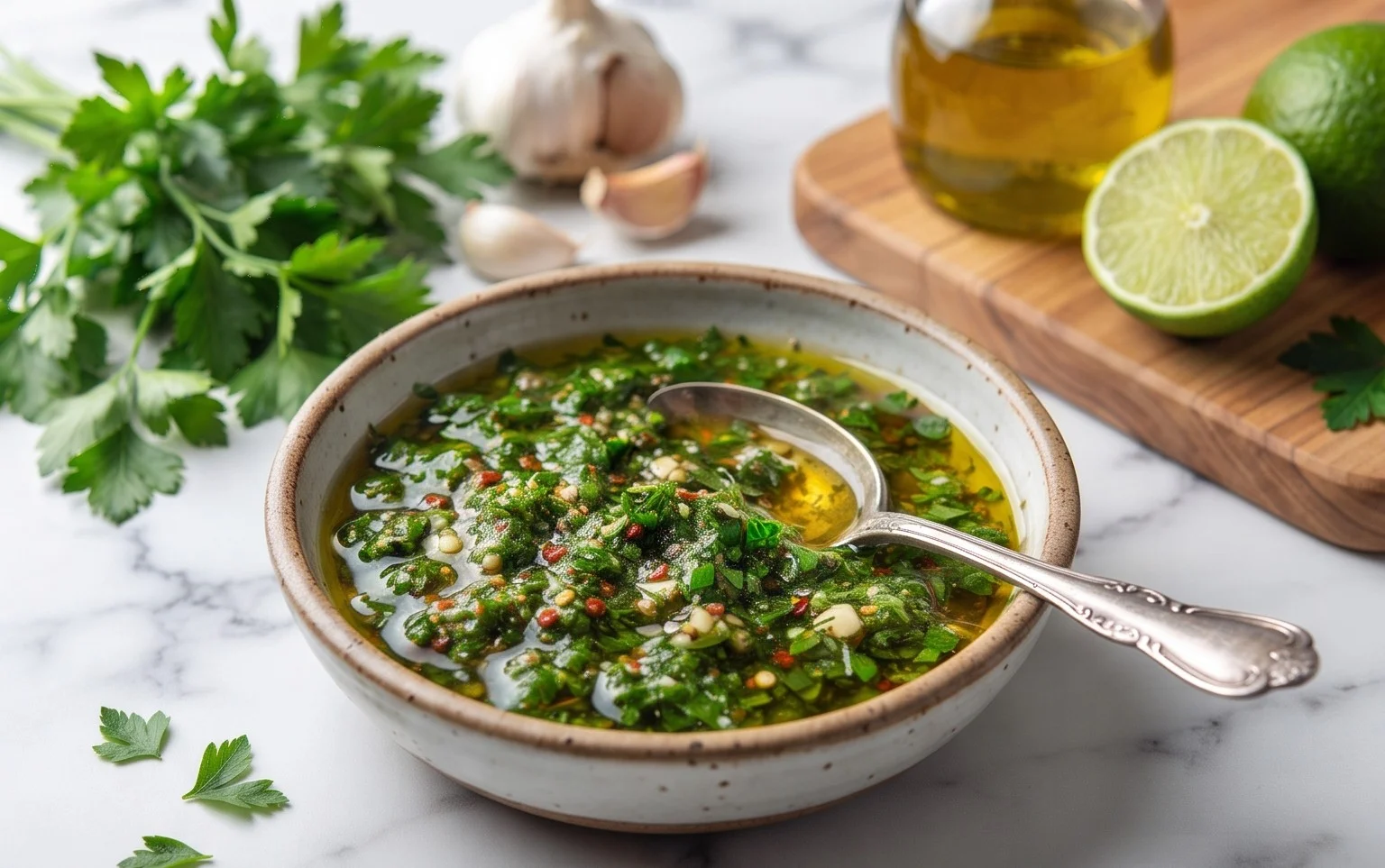
A vibrant and herbaceous Argentinian sauce, perfect for grilled meats, vegetables, or as a flavorful marinade.
Ingredients
-
1 1/2 cups well packed (42g) fresh parsley
-
1/2 cup well packed (20g) fresh cilantro
-
1/4 cup (9g) fresh oregano
-
1/4 small red onion
-
3 garlic cloves
-
3 Tbsp red grape juice vinegar
-
2 Tbsp fresh lemon juice
-
1/2 tsp salt
-
1/4 tsp red pepper flakes
-
3/4 cup olive oil
Instructions
-
Step 1
Finely chop the fresh parsley, cilantro, and oregano. If using fresh oregano, ensure it is finely minced. -
Step 2
Finely chop the red onion (or shallot) and mince the garlic cloves. -
Step 3
In a medium bowl, combine the chopped herbs, onion/shallot, and garlic. -
Step 4
Add the red grape juice vinegar, fresh lemon juice, salt, and red pepper flakes (if using). -
Step 5
Slowly whisk in the olive oil until the sauce is well combined and emulsified. Taste and add more salt if needed. -
Step 6
For best flavor, let the chimichurri sit for at least 15 minutes at room temperature to allow the flavors to meld. Can be refrigerated for up to a week.
Important Information
Nutrition Facts (Per Serving)
It is important to consider this information as approximate and not to use it as definitive health advice.
Allergy Information
Please check ingredients for potential allergens and consult a health professional if in doubt.



Leave a Comment